
Mindfulness and Trauma
Updated: Oct 15, 2025
Mindfulness and trauma are deeply interrelated, as mindfulness practices can be especially valuable in trauma recovery. When someone has experienced trauma, their body and mind may remain in states of heightened alert or emotional distress long after the event. Mindfulness can gently help individuals reconnect to the present, notice what’s happening inside and around them, and respond with compassion rather than avoidance or reactivity.
Through mindful awareness, people gradually learn that difficult sensations, memories, or emotions are bearable and temporary, reducing fear and promoting resilience. Trauma-informed mindfulness practices respect personal boundaries and prioritize safety, allowing people to build trust in themselves and the therapeutic process. Over time, integrating mindfulness can foster healing and empowerment, helping trauma survivors feel more grounded and at peace in their daily lives.
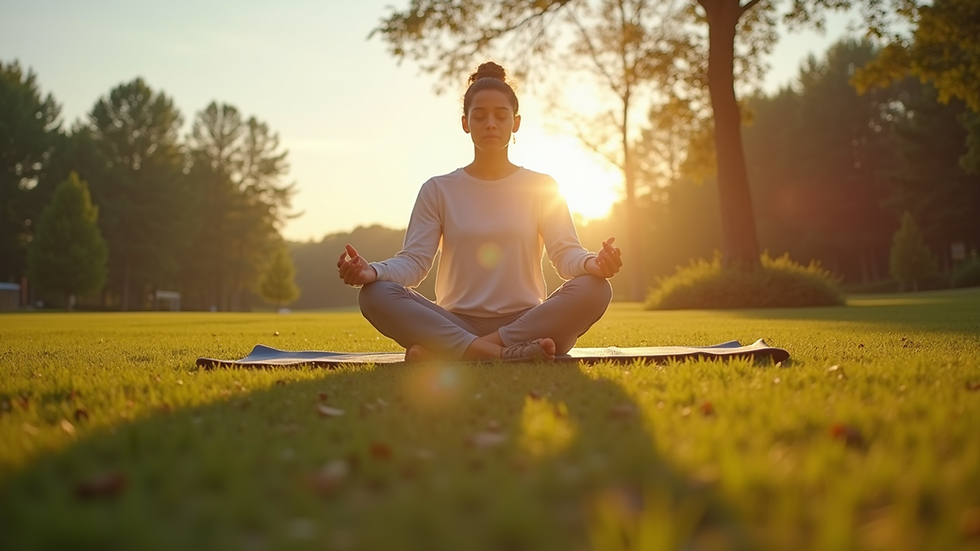
Incorporating mindfulness into daily life can help ease intrusive thoughts and foster a sense of safety and control. Individuals can try these practical strategies:
Practice deep breathing several times a day, focusing on slow inhales and exhales to help ground and calm the nervous system.
Use grounding techniques, such as noticing five things around you that you can see, four you can touch, three you can hear, two you can smell, and one you can taste, to anchor yourself in the present moment.
Try mindful walking by paying attention to the feeling of your feet on the ground and the rhythm of your steps.
Engage with mindful activities, such as listening to music, observing colors, or journaling about emotions and triggers.
Practice body scans, slowly moving attention through different body parts to release tension - always stopping if the sensations become overwhelming.
Start with brief practices (just a few minutes), gradually increasing duration as comfort grows, and use mindfulness apps as helpful tools.
Incorporate gentle stretching, yoga, or progressive muscle relaxation to help connect body and mind and release stress.
Build a support network and check in with a therapist experienced in trauma-informed care for extra guidance and safety.
These strategies, when practiced regularly and at a comfortable pace, can help those with PTSD manage symptoms and gently build resilience in daily life.


Comments